Once a 16:8 window feels easy, 18:6 is the natural next rung. You extend the fast by two hours and tighten the table to six. It is a modest change on paper that meaningfully deepens the daily fat-burning window — and for many people it is the sweet spot between results and sustainability.
| Fasting window | 18 hours |
|---|---|
| Eating window | 6 hours (e.g. 1pm–7pm) |
| Frequency | Daily |
| Difficulty | Intermediate |
| Best for | Deeper fat-burning, metabolic flexibility |
| Step up from | 16:8, once it feels effortless |
What 18:6 is
18:6 is still time-restricted eating, just with a narrower window. The extra two fasted hours mean you spend more of each day past the point where glycogen is low and fat oxidation is doing real work. You also, almost by accident, eat fewer calories — six hours is simply less room for grazing.
18:6 vs 16:8
Think of 16:8 as the foundation and 18:6 as the same idea, dialled up. 16:8 is the most sustainable entry point; 18:6 trades a little social flexibility for a deeper daily fast. Neither is "better" — they are different points on the same dial, and many people alternate between them depending on the week.
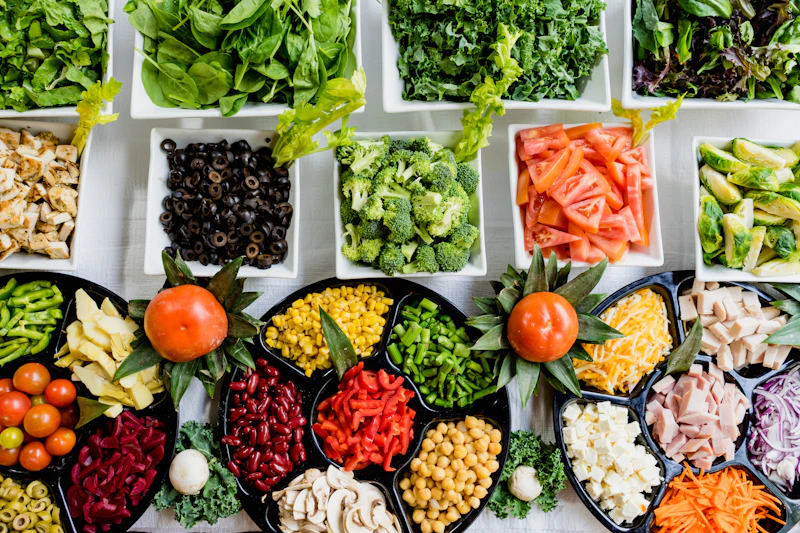
Six hours usually means two solid meals rather than three. Make them count: protein at both, vegetables at both, and enough total food that you are not white-knuckling the last few fasted hours.
A sample day
- Morning — Water, black coffee, tea. Fast continues.
- 1:00pm — First meal. Protein-forward and substantial.
- 4:00pm — Optional small snack.
- 6:45pm — Second meal, finishing by 7pm.
- 7:00pm — Window closes; 18-hour fast begins.
Eating well in six hours
With less time at the table, nutrient density matters more. Anchor both meals with a palm or two of protein, fill half the plate with vegetables, and do not skimp on fats — they help you feel satisfied through the long fasted stretch.
Two-meal building blocks for 18:6
Dense, satisfying, protein at both ends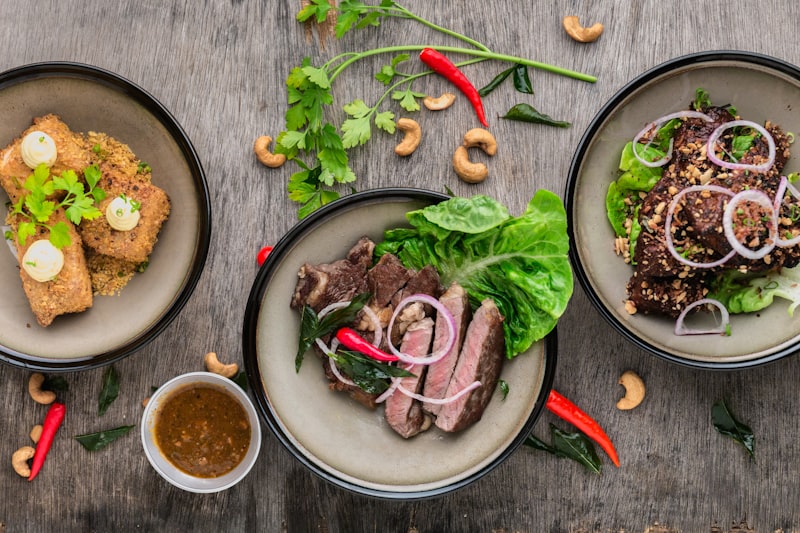
Protein & grains
Open the window with something substantial.

Veg & protein plate
Close the day with vegetables and lean protein.

Salmon & greens
Omega-3s and fibre for steady energy.
Who it suits
Best for
- People comfortable at 16:8 wanting more
- Those who prefer two bigger meals
- Anyone chasing deeper fat-burning
Watch-outs
- Heavy fasted-morning trainers
- People who feel cold or wired on longer fasts
- Anyone advised against fasting clinically
Stepping up
Do not jump straight to 18:6. Spend a couple of weeks at 16:8 first, then push your first meal later by 30 minutes every few days until you land at a six-hour window. If energy dips or sleep suffers, step back to 16:8 — there is no prize for forcing it.
Frequently asked questions
What is the difference between 16:8 and 18:6?
Is 18:6 better than 16:8 for weight loss?
How many meals should I eat on 18:6?
Who should avoid 18:6?
References & further reading
- Cienfuegos S, et al. "Effects of 4- and 6-h Time-Restricted Feeding on Weight and Cardiometabolic Health." Cell Metabolism, 2020.
- Anton SD, et al. "Flipping the Metabolic Switch." Obesity, 2018.
- Rynders CA, et al. "Effectiveness of Intermittent Fasting and Time-Restricted Feeding." Nutrients, 2019.
This guide is for general educational purposes and is not medical advice. Intermittent fasting is not appropriate for everyone — including people who are pregnant or breastfeeding, those with a history of disordered eating, or anyone managing diabetes or other medical conditions. Speak with a qualified clinician before making significant changes to how you eat.