Most fasting protocols ask you to watch the clock every day. The 5:2 does something different: it leaves five days of the week completely normal and concentrates the effort into two "light" days of roughly 500–600 calories. Popularised by Dr. Michael Mosley, it suits people who would rather have two structured days than a daily window.
| Pattern | 5 normal days + 2 light days |
|---|---|
| Light-day intake | ~500 kcal (women), ~600 kcal (men) |
| Light days | Non-consecutive, e.g. Monday & Thursday |
| Frequency | Weekly rhythm |
| Difficulty | Intermediate |
| Best for | People who dislike daily windows, social eaters |
What 5:2 is
5:2 is a form of modified fasting. On two days a week you eat a small fraction of your usual intake; on the other five you eat normally and sensibly. The two light days create a meaningful weekly calorie deficit without asking you to restrict every single day — which, for a lot of people, is far easier to sustain.
How the days work
The five normal days are not a free-for-all — "normal" means sensible, not unlimited. The two light days are capped at around 500 calories for women and 600 for men, usually split across one or two small, protein-rich meals. Keep the light days non-consecutive so neither feels too long.
On a 500-calorie day, choose foods that are high in protein and high in volume — eggs, white fish, vegetable soups, leafy salads. They keep you full far longer than the same calories of bread or fruit.
A sample week
- Monday — Light day (~500 kcal): vegetable soup at lunch, eggs and greens at dinner.
- Tuesday–Wednesday — Normal, sensible eating.
- Thursday — Light day (~500 kcal).
- Friday–Sunday — Normal eating; enjoy the weekend without tracking.
What a light day looks like
The trick is spending your ~500 calories on the most filling foods possible. Lean protein and non-starchy vegetables stretch furthest. Many people do best with a single larger light-day meal; others prefer two small ones. Both work — pick what keeps you comfortable.
A 500-calorie light day, mapped out
High protein, high volume, genuinely filling
Vegetable soup
High volume, low calorie — the backbone of a light day.
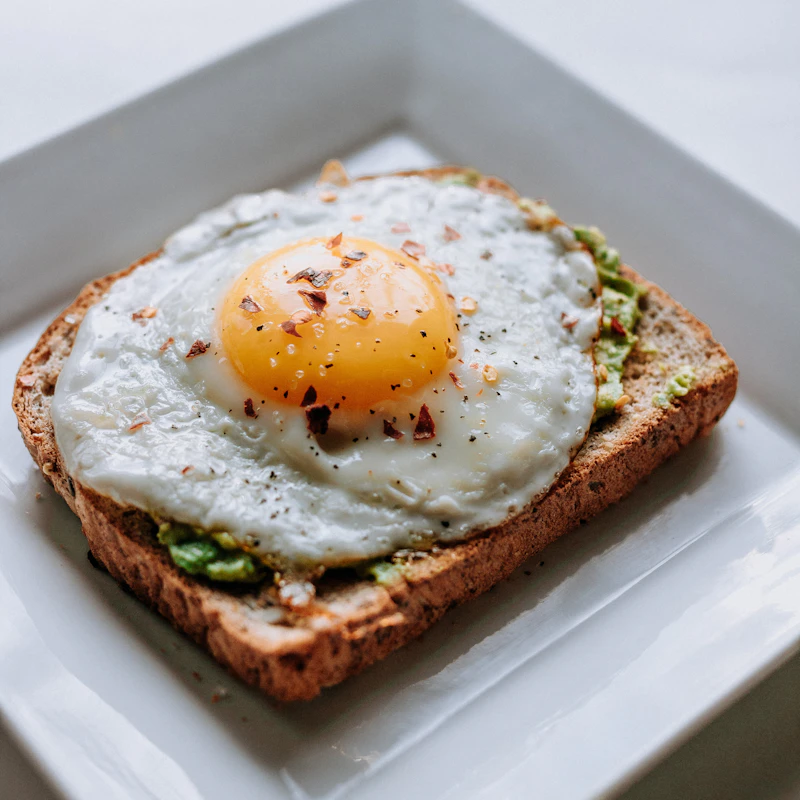
Eggs & greens
Protein and fibre to carry you to morning.
Tea, water, black coffee
Zero-calorie drinks keep light days comfortable.
Who it suits
Best for
- People who hate watching a daily clock
- Social eaters who want most days unrestricted
- Anyone who prefers two hard days to seven moderate ones
Watch-outs
- People who find very low-calorie days triggering
- Those who overcompensate on normal days
- Highly active people on their light days
- Anyone advised against calorie restriction
How to start
Pick two non-consecutive days that are typically low-stress and low-exercise — many people choose Monday and Thursday. Plan your light-day meals in advance so you are not improvising at hour six of hunger. And resist the urge to "make up" for light days by overeating on normal days; that single habit undoes most of the benefit. Give it three or four weeks before you judge it.
Frequently asked questions
How does the 5:2 diet work?
What can I eat on a 500-calorie day?
Should the two fasting days be consecutive?
Who should not try 5:2?
References & further reading
- Harvie M, et al. "The effects of intermittent or continuous energy restriction on weight loss and metabolic disease risk markers." International Journal of Obesity, 2011.
- Carter S, et al. "The effect of intermittent compared with continuous energy restriction on glycaemic control." Diabetes Research and Clinical Practice, 2016.
- de Cabo R, Mattson MP. "Effects of Intermittent Fasting on Health, Aging, and Disease." NEJM, 2019.
This guide is for general educational purposes and is not medical advice. Intermittent fasting is not appropriate for everyone — including people who are pregnant or breastfeeding, those with a history of disordered eating, or anyone managing diabetes or other medical conditions. Speak with a qualified clinician before making significant changes to how you eat.