Most of what people fear about fasting happens in their heads long before it happens in their bodies. The hunger is real, but it arrives in waves and recedes. The metabolism doesn't "shut down." And the genuinely interesting changes — the ones the research keeps circling back to — unfold on a fairly predictable schedule. Here is that schedule.
One caveat before we begin: these timings are approximate. Your last meal, your activity, your muscle mass, and your metabolic health all shift the clock by hours in either direction. Treat the numbers as a map, not a stopwatch.
Hours 0–4 · The fed state
In the few hours after a meal, your body is busy putting energy away. Blood glucose rises, the pancreas releases insulin, and insulin does its main job: it ushers sugar out of the bloodstream and into your muscles and liver, where it's stored as glycogen. Anything left over gets converted to fat.
Nothing about fasting has really "started" yet. You're simply not topping the tank back up. Insulin, which had spiked, begins to fall — and that falling insulin is the quiet signal that sets everything downstream in motion.
Hours 4–12 · The metabolic switch
With no new glucose coming in, your body turns to the glycogen it stored earlier. The liver holds roughly 80–100 grams of it — enough to keep blood sugar stable for several hours. This is the comfortable middle of a daily fast, and for most people it passes almost unnoticed.
As glycogen runs lower, the body begins what researchers call the metabolic switch: a gradual shift from burning sugar to burning fat. Your liver starts converting fatty acids into ketone bodies, a clean-burning fuel your brain and muscles can use. The first hints of this usually appear around the 12-hour mark.
A 16-hour fast lands you squarely in the early fat-burning window every single day, without ever pushing into territory that feels extreme. It's the reason the protocol is both the most studied and the most sustainable.
Hours 12–18 · Fat becomes the main fuel
By now glycogen is largely depleted and fat oxidation is doing the heavy lifting. Ketone levels in the blood rise meaningfully. Many people describe this stretch as a kind of clarity — steady energy, fewer cravings, a quieter appetite. That's not mysticism; it's the relatively stable blood sugar that comes from running on fat and ketones instead of riding glucose peaks and crashes.
This is also where the appetite hormone ghrelin reveals its trick: it pulses on your habitual mealtimes and then subsides whether or not you eat. The hunger you feel at hour 13 is often gone by hour 14.
The hunger of a fast is not a steadily rising siren. It's a tide — it comes in, and if you wait, it goes back out. — On the rhythm of appetite
Hours 18–24 · Autophagy stirs
Around the 18-hour mark, a process called autophagy — literally "self-eating" — begins to ramp up. Cells identify damaged components, break them down, and recycle the parts. It's a routine housekeeping process that fasting appears to accelerate, and it's the reason fasting has drawn so much research interest beyond simple weight management.
It's worth being honest here: most autophagy data in this window comes from animal studies and a smaller body of human work. The direction is well supported; the precise human dose-response is still being mapped. Anyone selling you an exact "autophagy hour" is rounding science into marketing.
Days 2–3 · Deep ketosis
Past 24 hours, ketone production climbs further and the body becomes increasingly efficient at sparing muscle, leaning instead on fat stores and recycled protein. Human growth hormone rises, which is part of how lean mass is protected during longer fasts. This is the territory of intentional, planned extended fasting — not something to wander into casually.
For the vast majority of people pursuing health and steady weight management, there's simply no need to go here. The daily 16:8 and 18:6 windows capture most of the accessible benefit with almost none of the risk. Longer fasts are a tool for specific goals, ideally with guidance.
Gentle ways to break the fast
Lower-insulin, protein-forward first meals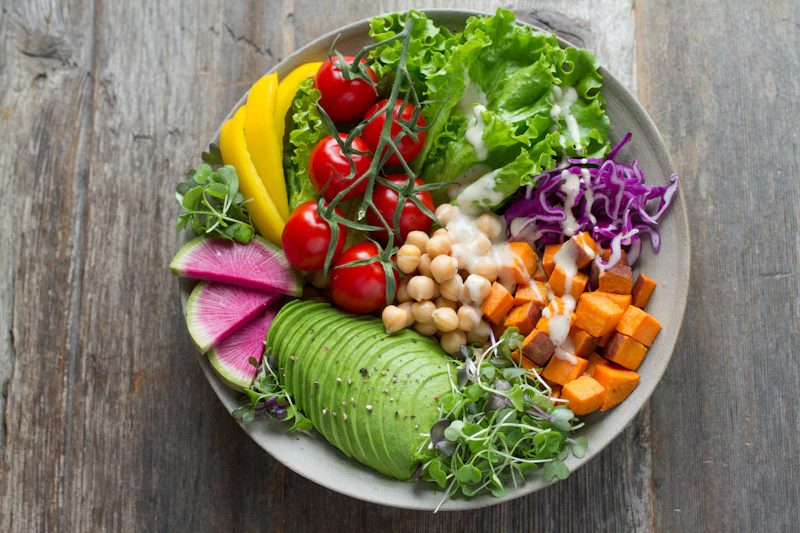
Greek yogurt & berries
Protein and fat first keeps the post-fast insulin response gentle.

Salmon & greens bowl
Omega-3s and fibre make a steadying first proper meal.

Water, salt & lemon
Rehydrate and replace electrolytes ten minutes before eating.
What to take from this
You don't need to memorise the timeline to benefit from it. The useful takeaway is simpler: the discomfort peaks early and fades, the interesting physiology is gradual rather than sudden, and most of the reward is available inside a daily window you can actually keep. Start with 16:8, pay attention to how your own body keeps time, and let the clock do its quiet work.
References & further reading
- de Cabo R, Mattson MP. "Effects of Intermittent Fasting on Health, Aging, and Disease." New England Journal of Medicine, 2019.
- Anton SD, et al. "Flipping the Metabolic Switch: Understanding and Applying the Health Benefits of Fasting." Obesity, 2018.
- Levine B, Kroemer G. "Autophagy in the Pathogenesis of Disease." Cell, 2008.
- Patterson RE, Sears DD. "Metabolic Effects of Intermittent Fasting." Annual Review of Nutrition, 2017.
This article is for general educational purposes and is not medical advice. Fasting is not appropriate for everyone — including people who are pregnant or breastfeeding, those with a history of disordered eating, or anyone managing diabetes or other conditions. Speak with a qualified clinician before making significant changes to how you eat.