If you only ever try one fasting protocol, make it this one. The 16:8 method — sometimes called Leangains after the coach who popularised it — asks you to fast for 16 hours and eat within an 8-hour window. For most people that means skipping breakfast, eating from around noon to 8pm, and letting the overnight fast do the rest.
| Fasting window | 16 hours |
|---|---|
| Eating window | 8 hours (e.g. 12pm–8pm) |
| Frequency | Daily |
| Difficulty | Beginner-friendly |
| Best for | Steady fat loss, simplicity, social eating |
| Skip if | You are pregnant, underweight, or have a history of disordered eating |
What 16:8 is
16:8 is a form of time-restricted eating. You are not changing what you eat by default — you are compressing when you eat into a shorter daily window. That single change lowers average insulin levels across the day and naturally trims the mindless grazing that pads most people calorie intake.
How it works
During the 16-hour fast, insulin stays low and your body leans on stored fat for fuel for several hours each day. Because the window is moderate, you get a daily dose of fat-burning without ever pushing into territory that feels extreme — which is exactly why people stick with it.
A sample day
- 7:00am — Wake. Water, black coffee, or unsweetened tea. The fast continues.
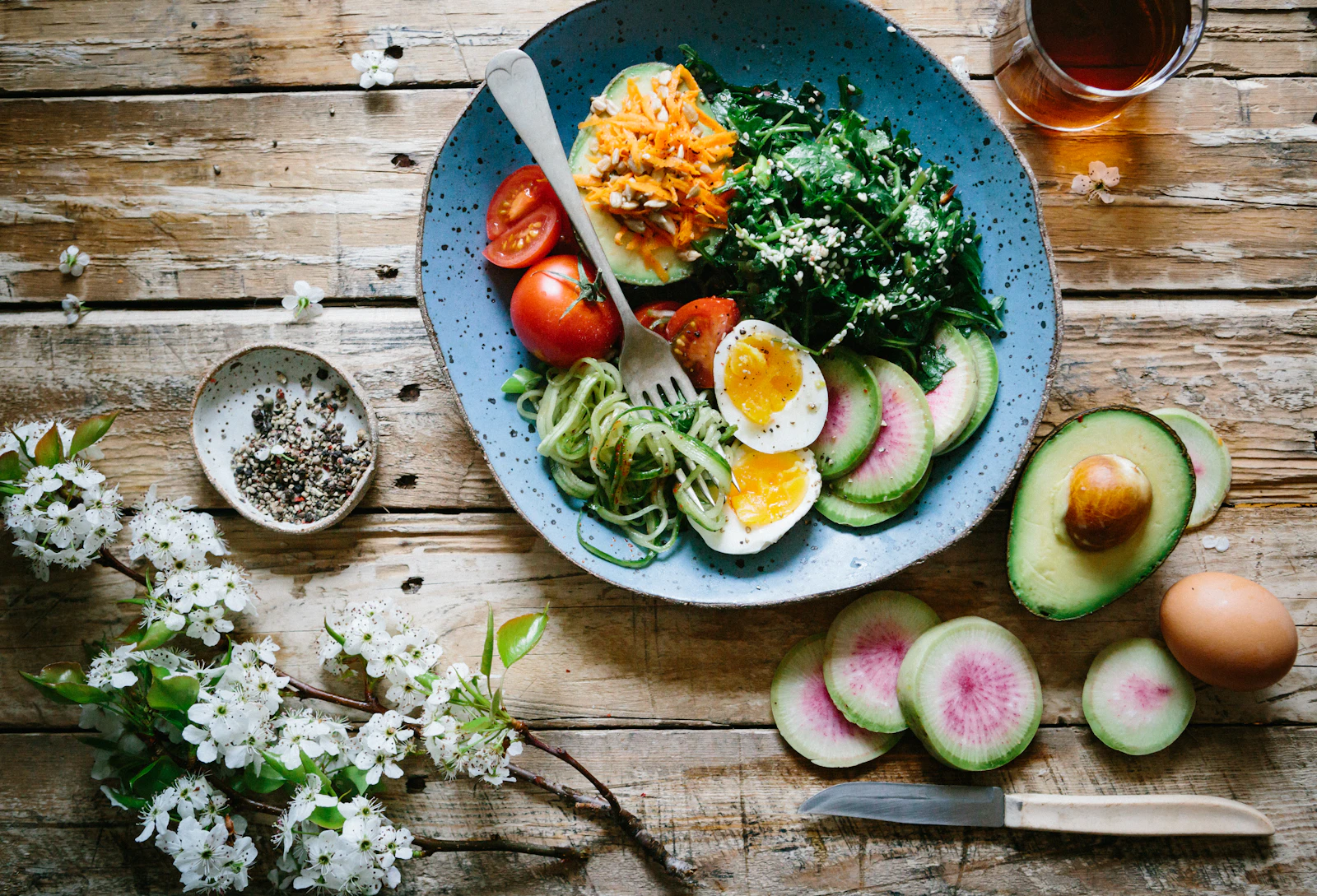
- 12:00pm — Break the fast. Lead with protein: eggs, yogurt, fish, or a grain bowl.
- 3:30pm — A balanced snack if hungry.
- 7:30pm — Final meal of the day, finishing by 8pm.
- 8:00pm — Eating window closes. Fast begins again.
Noon-to-8pm is just the popular default. If you would rather eat breakfast, run a 9am–5pm window instead. The protocol is the 16:8 ratio, not the specific clock — pick the eight hours that match your day.
What to eat
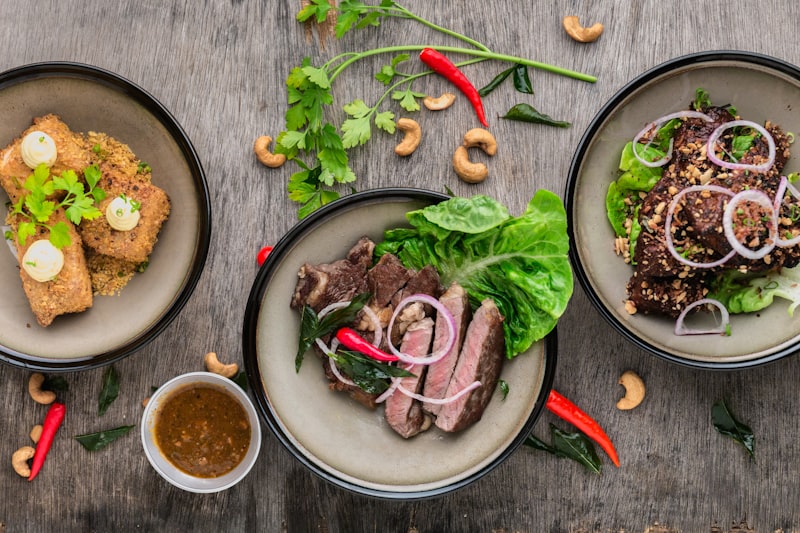
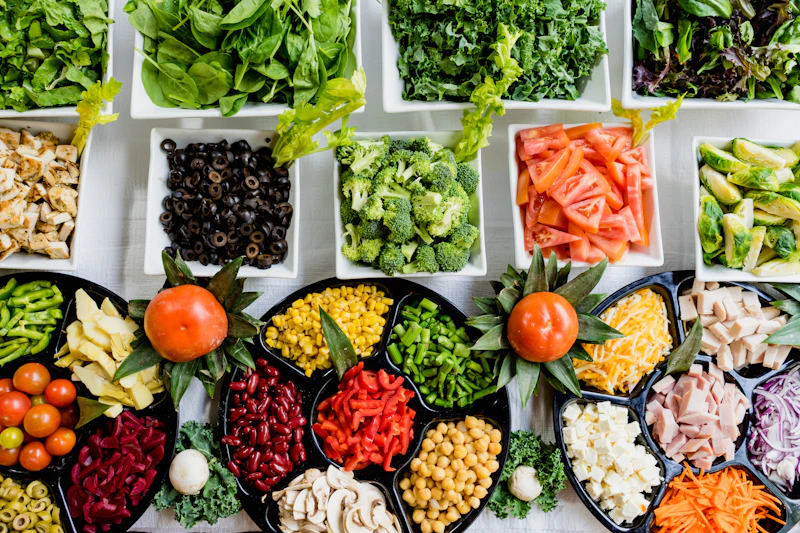
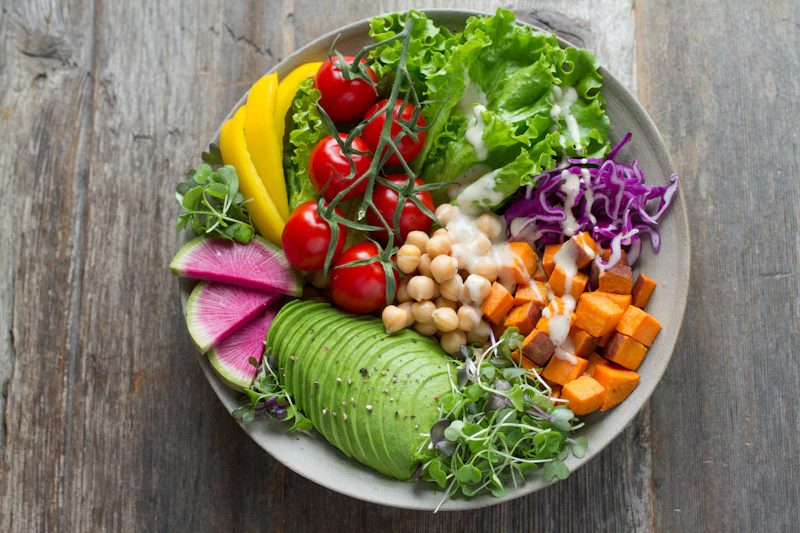
16:8 works best when your eating window is built around protein, vegetables, whole grains and healthy fats. The window is not a license to eat anything; it is a container for eating well.
Three meals that suit a 16:8 window
Protein-forward, satisfying, easy to repeat
Salmon & grain bowl
Protein and fibre to open the window steadily.
Yogurt & berries
A measured snack that holds you to dinner.

Veg & protein plate
Finish the day with vegetables and a palm of protein.
Who it suits
Best for
- Complete beginners to fasting
- People who want one simple daily rule
- Anyone who skips breakfast easily
- Social eaters who keep dinner sacred
Watch-outs
- Early risers who are starving by 9am (shift the window)
- People who train hard first thing fasted
- Anyone advised against fasting by a clinician
How to start
Ease in. Spend a few days at 12:12, then 14:10, then settle at 16:8 within a week or two. Drink plenty of water, keep black coffee in your corner, and judge success by energy and consistency rather than the scale alone. Once 16:8 feels effortless — and for many people it does within two weeks — you will have the foundation for every other protocol on this site.
Frequently asked questions
Is 16:8 good for beginners?
Will 16:8 help me lose weight?
Can I drink coffee during the 16:8 fast?
What should I eat to break a 16:8 fast?
References & further reading
- Moro T, et al. "Effects of eight weeks of time-restricted feeding (16/8) on basal metabolism, strength and inflammation." Journal of Translational Medicine, 2016.
- Gabel K, et al. "Effects of 8-hour time restricted feeding on body weight and metabolic disease risk factors." Nutrition and Healthy Aging, 2018.
- de Cabo R, Mattson MP. "Effects of Intermittent Fasting on Health, Aging, and Disease." NEJM, 2019.
This guide is for general educational purposes and is not medical advice. Intermittent fasting is not appropriate for everyone — including people who are pregnant or breastfeeding, those with a history of disordered eating, or anyone managing diabetes or other medical conditions. Speak with a qualified clinician before making significant changes to how you eat.